复合土工膜英文,Understanding and Applying the Modern Technology for Construction
In the field of construction, materials play a critical role in determining the quality and durability of structures. Among these materials, composite geosynthetics have gained significant attention due to their exceptional performance in various applications. One such material is the composite geosynthetic membrane, also known as the Geotextile or GTM (Geosynthetic Material). In this article, we will delve into the definition, characteristics, and applications of the composite geosynthetic membrane in English, providing an understanding of this modern technology that has revolutionized construction practices worldwide.
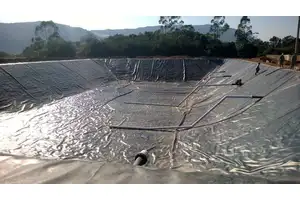
The composite geosynthetic membrane is a high-performance synthetic fabric that serves as a reinforcement layer in civil engineering projects. It is made up of two layers: the base layer and the top layer. The base layer provides structural support while the top layer enhances the overall strength and resistance of the structure. The membrane is designed to withstand extreme environmental conditions, including moisture, temperature fluctuations, and soil pressure, making it ideal for use in various construction applications.
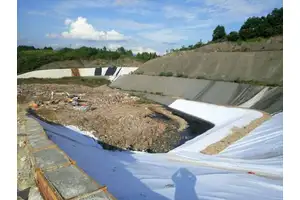
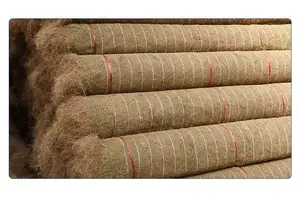
One of the key advantages of the composite geosynthetic membrane is its ability to improve soil stability and reduce erosion. By creating a barrier between the soil and the surrounding environment, the membrane helps to prevent soil particles from being washed away, which can lead to landslides and other forms of soil degradation. Additionally, the membrane’s strong bond with the underlying ground creates a stable foundation for construction projects, reducing the risk of subsidence and cracking.
Another significant benefit of the composite geosynthetic membrane is its ability to enhance drainage and reduce waterlogging. In areas prone to flooding, the membrane can be used to create a permeable surface that allows water to flow through, preventing the accumulation of water and reducing the risk of flooding. This feature is particularly important in coastal regions where seawater intrusion poses a threat to infrastructure.
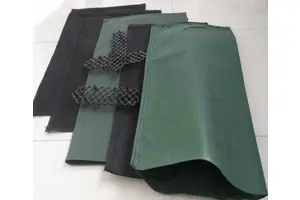
Moreover, the composite geosynthetic membrane offers excellent flexibility and adaptability to different construction needs. It can be used in various configurations, such as strips, blankets, or grids, depending on the project requirements. This flexibility allows for customized solutions that fit perfectly into the existing infrastructure, ensuring optimal performance and cost savings.
In terms of construction techniques, the composite geosynthetic membrane can be installed using a variety of methods, including manual laying, mechanical installation, and pre-stressed installation. Each method has its advantages and limitations, but they all share the goal of ensuring a secure and durable membrane that meets the specific needs of the project.
To ensure the longevity and effectiveness of the composite geosynthetic membrane, proper maintenance and inspection are crucial. Regular checks should be conducted to identify any signs of wear or damage, such as fraying or tearing. Repairs should be made promptly to maintain the integrity of the membrane and prevent further degradation of the underlying soil.
In conclusion, the composite geosynthetic membrane is a revolutionary material that has transformed the construction industry by offering superior performance in various applications. Its ability to improve soil stability, reduce erosion, enhance drainage, and adapt to various configurations makes it a valuable tool for engineers and builders alike. As technology continues to advance, we can expect even more innovative solutions to emerge, further enhancing our ability to build stronger, more sustainable structures.
上一篇: 土工合成材料非织造复合土工膜,现代土木工程的革新材料
下一篇: 复合土工膜2500g标准