"Oilfield Anti-Permeability Films: A Critical Component in Water and Oil Control"
Introduction The oil industry is a vital sector that plays a crucial role in global energy security, economic growth, and environmental sustainability. One of the most critical components in the oilfield’s operation is the anti-permeability film, which serves as a barrier to prevent water and oil from entering the reservoir. In this article, we will explore the importance of oilfield anti-permeability films and their applications in various oilfields around the world.
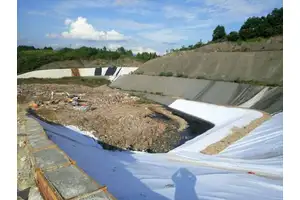
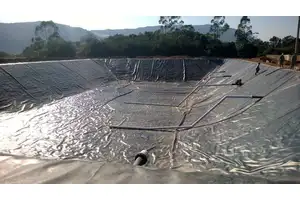
Anti-Permeability Films: Their Function and Importance An oilfield anti-permeability film is a thin layer of material that is applied to the surface of an oil or gas reservoir to create a barrier against water and oil invasion. This film helps to maintain the integrity of the reservoir by preventing the formation of channels that can lead to flooding and loss of production.
The primary function of anti-permeability films is to protect the reservoir from damage caused by external factors such as weathering, corrosion, and chemical attack. Additionally, they provide a physical barrier that reduces the risk of contamination by water and oil, which can have serious consequences for the health of the environment and the safety of the workers involved in oilfield operations.
Applications of Oilfield Anti-Permeability Films Oilfield anti-permeability films are used in a wide range of oilfields around the world, including those in North America, Europe, Asia, and Africa. The application of these films is essential in maintaining the productivity of oil and gas fields, particularly in areas with harsh weather conditions or high levels of water salinity.
In North America, oilfield anti-permeability films are commonly used in Alaskan oilfields, where the harsh environment requires a highly resistant film that can withstand extreme temperatures and pressure. In Europe, oilfield anti-permeability films are used in Norway’s vast Norwegian oilfields, where they help to protect the fragile ecosystems and prevent water pollution.
In Asia, oilfield anti-permeability films are used in China’s Zhongyuan oilfield, where they help to protect the reservoir from acid rain and other environmental hazards. In Africa, oilfield anti-permeability films are used in South Africa’s Kangwa oilfield, where they help to protect the reservoir from groundwater seepage and other natural threats.
Conclusion In conclusion, oilfield anti-permeability films are critical components in the oilfield operation, providing protection against water and oil invasion and maintaining the integrity of the reservoir. These films are widely used in various oilfields around the world, including those in North America, Europe, Asia, and Africa. As the demand for oil and gas continues to grow, the importance of oilfield anti-permeability films will only increase, ensuring that our planet’s energy resources remain sustainable and secure for generations to come.
上一篇: 随州哪里有卖防渗膜?