"The Role of Geosynthetic Reinforcement in Preventing Erosion and Sedimentation"
In the realm of sustainable development, one of the most critical challenges facing modern-day infrastructure is the protection of soil against erosion and sedimentation. This issue not only affects the functionality of construction sites but also has significant implications for water quality and ecosystem health. The use of geosynthetic reinforcement materials, specifically the application of geosynthetic reinforced plastic film (GRP), has emerged as a promising solution to mitigate these issues. In this article, we will delve into the importance of GRP in preventing erosion and sedimentation, its benefits, and how it can be effectively implemented across various engineering applications.
The Importance of Geohazards Control with GRP
Geohazards such as landslides, gullies, and soil erosion are common issues that threaten infrastructure and agricultural productivity. These phenomena often result from natural causes like heavy rainfall, earthquakes, or human activities like overgrazing and improper land management. To address these problems, engineers have turned to innovative solutions, including the use of geosynthetic reinforcement materials like GRP.
Benefits of GRP in Soil Conservation
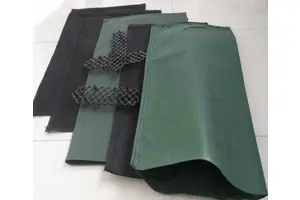
Geosynthetic reinforcement materials, particularly GRP, offer several advantages in soil conservation. Firstly, they provide a physical barrier that prevents soil particles from being washed away by flowing water. This helps to preserve soil quality and reduce the risk of soil erosion. Secondly, GRP’s ability to resist puncture and tear makes it an effective material for sealing off small openings where soil loss could occur.
Additionally, GRP’s durability and resistance to weathering make it suitable for long-term use in areas prone to extreme weather conditions. It is also non-toxic and biodegradable, making it environmentally friendly.
Applications of GRP in Engineering Practice
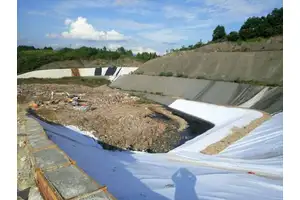
The utilization of GRP in engineering practice is widespread, with several notable examples highlighting its effectiveness. For instance, in the construction of highways and other transportation infrastructure, GRP is used as a protective layer to prevent soil erosion along the route. By creating a barrier between the road surface and the surrounding landscape, GRP helps to preserve the integrity of the soil and minimize the need for costly remediation efforts.
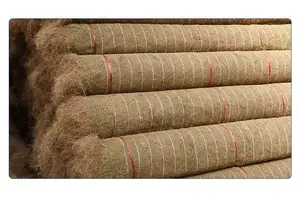
In agriculture, GRP is employed as a cover crop during dry spells to protect soil from erosion. The fabric acts as a windbreak, reducing wind speeds and minimizing the movement of soil particles. This technique is particularly effective in regions prone to dust storms and sandstorms.
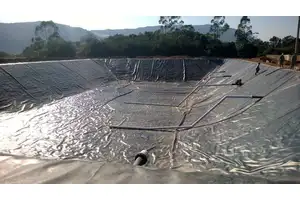
Furthermore, GRP is utilized in flood control projects. Its strong resistance to puncture and tear allows it to withstand high-pressure flows without collapsing, thus preventing soil from being washed away by floodwaters.
Challenges and Considerations
Despite its numerous benefits, there are challenges associated with the use of GRP in engineering practices. One major concern is the cost of installation, which can be prohibitive for certain applications. Additionally, the longevity and lifespan of GRP require regular inspections and maintenance to ensure its continued effectiveness.
Another consideration is the environmental impact of GRP production and disposal. While GRP is considered a biodegradable material, its production process involves the use of petrochemicals, which could have negative environmental effects if not managed properly.
Future Perspectives
As technology advances, we can expect to see further innovations in the field of geosynthetic reinforcement materials. Researchers are exploring new materials and techniques to improve the performance and sustainability of GRP. For example, developing more durable and eco-friendly alternatives to traditional petrochemical-based polymers could revolutionize the way we approach soil conservation.
In conclusion, the use of geosynthetic reinforcement materials like GRP is crucial in addressing soil conservation challenges faced by modern society. By understanding its benefits and limitations, engineers can implement strategies that balance cost-effectiveness with environmental sustainability. As our world continues to face the complexities of climate change and resource scarcity, investing in innovative solutions like GRP will be essential in safeguarding our planet’s natural resources for future generations.
上一篇: 台州养殖防渗膜价格如何?
下一篇: 养鱼池防渗膜的重要性及其应用